
Autonomous Forklift Lift Height Requirements are not defined by shelf height alone. A vehicle must lift the full load safely, clear rack beams, and travel beneath overhead doors, sprinklers, and lights. A few centimeters can change whether a route works. Small details matter.
This guide introduces seven practical checks for choosing and verifying lift height. It considers maximum rack levels, pallet and load dimensions, mast design, rated capacity, ceiling clearance, floor conditions, and the vehicle’s operating environment. Teams should compare measurements with the manufacturer’s specifications for the exact model and attachments. Rated capacity may change as lift height or load center changes, so a headline capacity figure is not enough. Measure the tallest real load, not just the pallet. Then check the full travel path, including charging areas and tight turns. Site drawings help, but they can be outdated. That assumption can be wrong. A careful walk-through can reveal pipes, uneven floors, or recently installed equipment that drawings miss. The right requirement is the height that fits the task, load, and facility with a sensible safety margin. These checks cannot replace a qualified site assessment, but they can prevent expensive surprises before deployment.
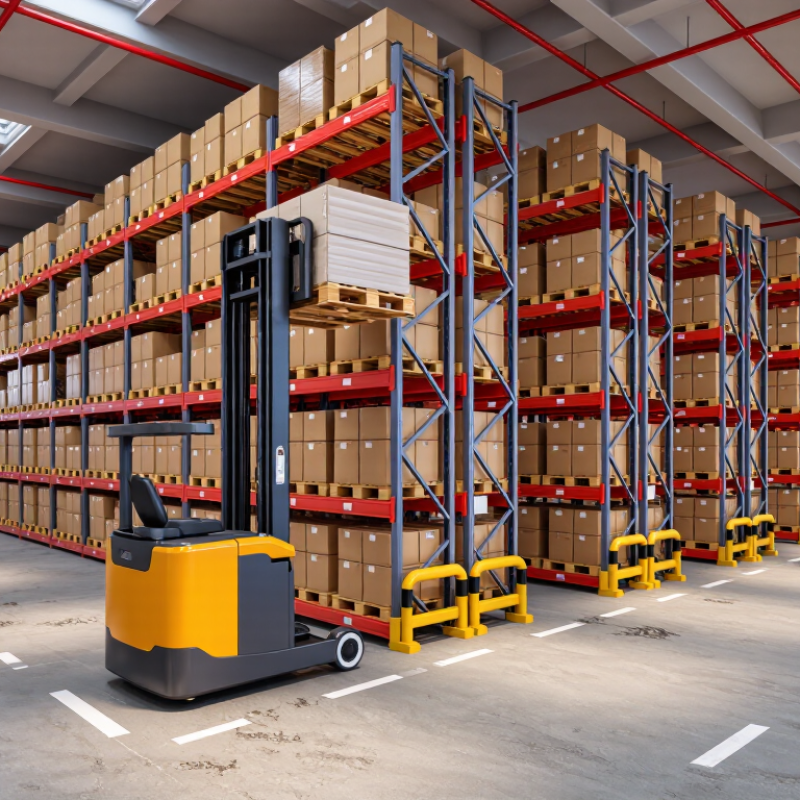
Define lift height requirements from the actual work, not just the rack drawing. Measure the highest storage location from the floor where the autonomous forklift will operate. Include pallet height, load height, and any uneven or damaged pallet boards. A few centimeters can matter.
Check the full lifting path. The forks and load need clearance beneath beams, lights, sprinklers, and doorways. Note the vehicle’s required reach height and its rated capacity at that height; capacity may change as the load rises. Also consider floor slopes and transitions, since a lift that works on a level test area may behave differently near a ramp. Keep a practical safety margin, based on the equipment specifications and site conditions.
Walk the route with a tape measure and record the tightest clearances. Compare those measurements with the tallest load the operation will actually handle, not an idealized sample. Ask operators about overhanging cartons and mixed pallet sizes. These details are easy to miss in a spreadsheet. Even careful measurements can be wrong when inventory changes, so revisit the requirement after layout or packaging changes. Specify normal lifting height, maximum height, load weight, and the clearance needed for safe placement.
Measure the full load, not just the pallet. A forklift’s capacity can change with lift height and load center, so its rated capacity alone may not answer the question. Record the load’s length, width, and height, including any overhang or unstable packaging. Easy to miss.
Weigh the heaviest expected load, including its pallet, attachments, and packaging. Then check where its center of gravity sits. A long crate can shift that center forward, reducing usable capacity even when its total weight seems acceptable. If loads vary, assess the heaviest and most awkward combination, not only the typical one.
Next, identify the highest shelf or transfer point and allow room for accurate placement. Include the fork height needed to enter the pallet, plus clearance for beams, lights, and doorways. Compare these requirements with the forklift’s load chart at the relevant height and load center. A short site trial can reveal issues that drawings miss, such as a pallet leaning slightly or a floor slope affecting alignment. Recheck measurements after layout changes; this step is easy to postpone, and it matters.
Estimated fork height for placing different loads on warehouse shelving.
These illustrative examples calculate required fork height as shelf deck elevation plus a 100 mm planning allowance. Confirm actual load dimensions and weight, truck capacity at the required lift height, and the reach needed for the load and aisle layout before selecting equipment. Requirements vary by site and load.
Measure every rack bay from the finished floor to the top beam, then add the tallest expected pallet and load. Do not use catalog lift height alone. The usable figure depends on mast design, load center, and rated capacity at elevation. Record low beams, sprinkler pipes, lights, and door tracks; a ceiling limit can sit below the roof. Leave a practical margin for floor variation and placement errors. Small margins matter. OSHA’s powered industrial truck guidance cites estimates of about 85 forklift-related deaths and 34,900 serious injuries annually. Those figures are not specific to autonomous forklifts, but they show why clearance checks deserve care.
Aisle width must account for the vehicle’s full turning envelope, not just its chassis. Measure between the closest obstructions, including rack guards, protruding pallets, and charging equipment. Then compare that space with the vehicle’s technical specification for the actual load and travel direction. OSHA 29 CFR 1910.176(a) requires sufficient safe clearances in aisles and at turns, but it does not prescribe one universal width. Site measurements matter. Check ceiling clearance with the mast and load at their highest planned position, including any tilt or lifting motion. Recheck after rack changes. One planning weakness is treating drawings as current; a single relocated beam or hanging cable can invalidate them. Keep the measurements tied to a dated site survey and verify them on the floor.
Autonomous forklifts need more than enough reach on paper. Check the rated capacity at the actual lift height and load center; capacity often decreases as the mast rises. Include the pallet, attachments, and any uneven load in your calculation. A 1,000-kilogram load may exceed the truck’s safe capacity when carried high or farther forward than expected. Verify figures against the equipment’s capacity chart.
Tip: Measure the highest rack beam, then add room for pallet clearance. Compare that height with the mast’s usable lift height, not just its maximum specification. Also measure doorways, sprinkler lines, and low overheads along the route. A tall mast can reach the rack and still be a poor fit for the building.
Choose mast configuration around the whole work cycle. A three-stage mast may offer greater lift within a lower collapsed height, while a simpler mast may suit open areas with higher clearances. Consider free lift where loads must rise before the mast extends. During site checks, I’ve found overhead obstructions are easy to miss on drawings. Recheck them in person. Confirm the selected truck’s capacity at the required height, and test representative loads in the actual aisles before deployment.
Tip 1: Verify sensor readings before setting lift limits. Test the height encoder, load sensor, and obstacle detection with the mast lowered and raised. A sensor that reads correctly at floor level may drift higher up. Check again after maintenance. Small detail. Big consequence.
Tip 2: Match the programmed ceiling to the truck’s rated capacity chart, load center, attachment, and mast configuration. Maximum lift height does not mean maximum load at that height. OSHA has cited estimates of 85 forklift-related deaths and 34,900 serious injuries each year. Those figures make stability checks more than paperwork.
Tip 3: Test with the actual pallet and load shape, not an idealized test weight.
Tip 4: Recheck limits on ramps, uneven floors, and near low beams or sprinklers.
Tip 5: Confirm stopping distance and sensor coverage at each working height, including blind corners and stacked goods. ISO 3691-4:2020 addresses safety requirements for driverless industrial trucks, including their operating environment. Use it alongside site risk assessments and the equipment’s capacity data.
Tip 6: Record test results and investigate inconsistent readings.
Tip 7: Review settings when routes, loads, or floor conditions change. It is easy to assume yesterday’s safe limit still fits today. That assumption deserves a check.
Measure from the operating floor to the highest storage point. Include pallet height, load height, and uneven boards. A few centimeters matter.
Check beneath beams, lights, sprinklers, and doorways. Record the tightest clearance with a tape measure. Drawings can miss things.
Rated capacity can decrease as the mast rises or the load sits farther forward. Include the pallet and attachments, then compare the load with the capacity chart.
A three-stage mast may lift higher while staying shorter when lowered. A simpler mast may fit open areas with generous overhead clearance. Check the whole route.
Test representative pallets with their actual shape and weight. Include overhanging cartons and mixed pallet sizes. Ideal test loads can hide problems.
Check the height encoder, load sensor, and obstacle detection with the mast both lowered and raised. Readings may drift higher up. Recheck after maintenance.
Test the truck on ramps, floor transitions, and uneven areas. A lift that works on level ground may behave differently nearby. Worth checking again.
Review them after changes to routes, loads, packaging, or floor conditions. Record test results and investigate inconsistent readings. Yesterday’s setting may not fit today.
Autonomous Forklift Lift Height Requirements should be determined by the actual tasks the vehicle will perform, not by maximum height alone. Start by defining the highest storage or transfer point the forklift must reach, then consider the dimensions and weight of each load. Account for how far the load must extend and whether its shape affects balance or visibility. Accurate measurements help ensure the selected equipment can handle the required reach without exceeding its rated capacity.
Next, measure rack heights, aisle clearances, and overhead limits, including beams, lights, and other obstructions. Match the required working height and load capacity to a suitable mast configuration, while allowing for safe operating margins. Finally, verify that sensors and stability controls support the planned movements, and consider floor conditions, travel speed, and load handling practices. Reviewing these factors together helps create a practical lift-height specification that supports reliable, controlled operation throughout the work area.
