
7 Best Autonomous Forklift Load Capacity Tips for Buyers

Time:2026-10-24 Author:Henry
0%

Buying an autonomous forklift is not simply a matter of choosing the highest rated capacity. A pallet marked at 1,500 kilograms may become unsafe when its load center extends beyond the manufacturer’s limit. Rack height, floor conditions, battery weight, and attachment design can change real performance. These details deserve careful attention.

This Autonomous Forklift Load Capacity Guide explains seven practical tips for evaluating equipment before purchase. It focuses on verified specifications, operating conditions, and measurable warehouse needs. Buyers should review rated capacity charts, load-center distances, mast configurations, and dynamic stability data with qualified suppliers. A useful test includes a fully wrapped pallet, uneven packaging, narrow aisles, and the highest planned storage position. Small differences matter.

Look beyond the brochure.

Experienced warehouse teams know that capacity is not a single number. It changes with mast height, travel speed, turning behavior, and floor quality. Sensor accuracy also affects how safely an autonomous truck detects pallets and obstacles. Ask vendors for documented test results, maintenance records, training requirements, and clear limits for unusual loads. Independent engineering advice may be worthwhile for complex facilities.

Some assumptions will be wrong.

A larger capacity rating can increase purchase costs, energy use, and aisle requirements. Conversely, selecting a smaller truck may create repeated overload risks. This article offers informed guidance, but every site needs a professional assessment before deployment. Recheck your figures after measuring actual pallets, not ideal ones. That extra step can prevent expensive surprises and support a safer, more reliable automation decision.
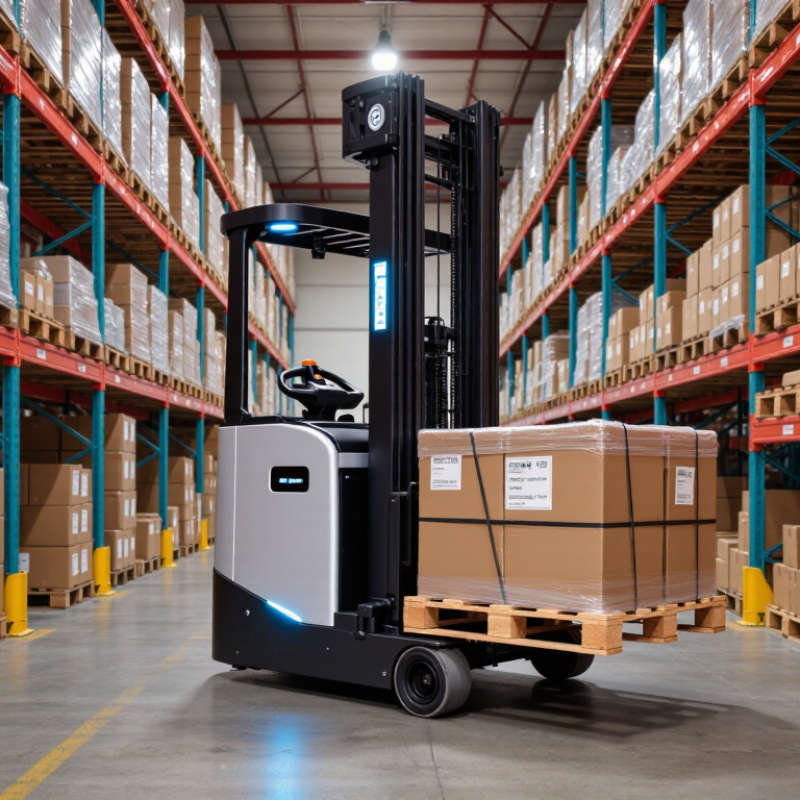
7 Best Autonomous Forklift Load Capacity Tips for Buyers

Understanding Autonomous Forklift Load Capacity Ratings

7 Best Autonomous Forklift Load Capacity Tips for Buyers

Understanding Autonomous Forklift Load Capacity Ratings

An autonomous forklift’s capacity rating is not a universal promise. It describes the maximum load under defined conditions, usually a stated load center and lift height. Read the capacity plate and technical manual together. The smaller number should guide your decision. A 2,000-kilogram rating may apply only when the load center is 600 millimeters. Longer pallets reduce stability. They can turn a safe rating into a risky assumption.

Check capacity at the highest planned lift, not at floor level. Mast height, attachment weight, and uneven floors change the usable limit. Subtract the attachment’s weight from the rated capacity. Then measure the real load center, including overhang. Keep a practical safety margin for shifting cartons and imperfect pallets. This is where buyers often guess. Guessing is expensive. For autonomous operation, review speed, turning radius, braking distance, and sensor behavior with the intended load. A stable load while moving straight may sway during a tight turn.

Ask for capacity charts covering your actual pallet dimensions, height, and route conditions. Request test data from a controlled site trial, including ramps, thresholds, and wet or dusty floors where relevant. Confirm how the system detects an off-center or overweight load. It should slow, stop, or alert operators clearly. Train staff to verify load weight and placement before release. Do not rely on software labels alone. I would also record several near-misses during evaluation; they reveal weaknesses polished demonstrations hide. Recheck the rating after changing forks, batteries, shelving, or packaging. Capacity is a working condition, not just a number.

Matching Forklift Capacity to Your Warehouse Loads

7 Best Autonomous Forklift Load Capacity Tips for Buyers

Matching forklift capacity to warehouse loads starts with real measurements, not a brochure headline. Record the heaviest pallet, its dimensions, load center, height, and weight distribution. OSHA requires powered industrial trucks to handle only loads within their rated capacity.

Its Powered Industrial Trucks eTool reports about 85 forklift-related fatalities and 34,900 serious injuries annually in the United States. Capacity mistakes are not minor purchasing errors.

Check seven details before approving an autonomous forklift.

Verify rated capacity at your actual load center, not only at the base rating.

Measure rack height and aisle slope.

Include pallets, wrapping, moisture, and uneven cartons in the total weight.

Test the heaviest load during turning and braking.

Confirm the vehicle can detect overhangs and unstable stacks.

Review battery performance across a full shift.

Finally, compare the manufacturer’s technical data with independent site trials.

A clean spreadsheet can still lie.

Real pallets often lean, split, or shift after transport. A 1,000-kilogram load may create a larger tipping risk when its center moves forward by only a few centimeters. OSHA Standard 1910.178 also requires capacity information to remain visible on the truck.

Buyers should document every assumption and repeat the test after layout changes.

ISO 3691-4 guidance for driverless industrial trucks reinforces the need for risk assessment, operating-zone controls, and validated performance.

Capacity is not one number. It changes with height, distance, speed, and floor conditions.

Evaluating Load Center, Height, and Stability Requirements

7 Best Autonomous Forklift Load Capacity Tips for Buyers

Evaluating Load Center, Height, and Stability Requirements

When assessing an autonomous forklift, rated capacity is only the starting point. Confirm the load center used in testing. A 1,000-kilogram load at 600 millimeters behaves differently at 800 millimeters. Measure the actual pallet, including uneven weight. Record its length, width, and center of gravity. Do not rely on warehouse averages. One unusually deep load can change the result.

Lift height also affects stability. Ask for capacity charts at your required mast height, not only the maximum rating. Check performance with the forks fully raised, tilted, and extended. Narrow aisles, floor joints, ramps, and turning points deserve on-site trials. Watch the mast during braking. Small sway matters.

Stability depends on more than numbers. Review wheel configuration, steering response, speed limits, emergency stopping, and floor quality. Keep loads within the marked fork dimensions. Confirm that sensors detect shifting pallets, damaged packaging, and people near the travel path. Experienced operators should review test data, while an independent engineer can challenge optimistic assumptions. A buyer should also test the worst seasonal condition, though this step is often skipped. Capacity may look sufficient on paper, yet repeated stops or a high center of gravity can expose a weak margin. Leave a documented safety buffer and require maintenance records before approval.

Checking Battery, Navigation, and Operating Conditions

7 Best Autonomous Forklift Load Capacity Tips for Buyers

Battery condition directly affects lifting performance, travel speed, and rated operating time. Ask for test records under a realistic load, not an empty-floor demonstration. A weak battery may cause voltage drops during repeated lifts. Check charging cycles, remaining capacity, connector heat, and replacement cost. A battery can pass inspection and still disappoint on a cold morning. That happened in one warehouse review. We should have tested temperature effects earlier.

Navigation also changes usable capacity. Sensors must detect pallets, racks, people, and uneven floor edges consistently. Request trials with loaded pallets at the highest planned lift height. Watch for sudden stops, wide turns, or repeated route corrections. These behaviors may increase load swing and reduce stability. Confirm how the vehicle reacts when a marker is blocked or a route changes. Navigation data should be logged and reviewed by trained technicians.

Operating conditions decide whether the published capacity applies. Measure aisle width, floor slope, surface gaps, lighting, and pallet quality. Dust, moisture, and temperature can affect sensors and battery output. Keep heavier loads low during route tests. Leave a safety margin for off-center pallets, frequent stops, and long shifts. One overlooked detail remains important: actual load centers often differ from drawings. Have operators repeat the test during peak traffic. Controlled trials are useful, but real work is messier.

Comparing Safety Features, Certifications, and Total Costs

7 Best Autonomous Forklift Load Capacity Tips for Buyers

Tip: Treat rated capacity as a starting point, not a promise. An autonomous forklift’s capacity changes with lift height, load center, attachment weight, and battery condition. Ask for a capacity chart covering your heaviest pallet and highest rack position. OSHA reports about 85 forklift fatalities and 35,000 serious injuries annually in the United States. Those figures make real-world stability testing essential. A polished demonstration proves very little.

Tip: Compare safety features with recognized requirements. ISO 3691-4:2020 addresses driverless industrial truck safety, including sensing, stopping, and system controls. ANSI/ITSDF B56.5 also provides relevant guidance for automated guided industrial vehicles. Look for redundant obstacle detection, controlled speed zones, emergency stops, audible warnings, and event logs. Request test records, not vague claims. Certification may confirm a design assessment, but it does not replace site-specific risk analysis.

Tip: Calculate total cost over five years. Include software subscriptions, batteries, charging equipment, integration, maintenance, operator training, floor repairs, and downtime. Ask suppliers to model costs using your shift pattern and travel distance. MHI’s Annual Industry Report consistently identifies labor availability and technology investment as major logistics concerns. Automation can reduce repetitive driving, yet integration mistakes remain expensive. I would challenge every payback estimate. One overlooked interface can quietly erase the expected savings.

FAQS

Why is rated capacity not enough when choosing an autonomous forklift?

Rated capacity is only a starting point. Check the tested load center, lift height, attachment weight, and battery condition. A 1,000-kilogram load at 800 millimeters behaves differently from one at 600 millimeters. Small differences matter.

How should buyers measure the actual load?

Measure pallet length, width, weight, and center of gravity. Include uneven packaging and unusually deep loads. Do not rely only on warehouse averages. One deep pallet can change stability.

Which lift-height tests are necessary?

Request capacity charts at every required rack height. Test with forks raised, tilted, and extended. Watch the mast during braking and turning. Small sway matters.

Which warehouse conditions can reduce stability?

Test narrow aisles, ramps, floor joints, gaps, and turning points. Check slopes, lighting, dust, moisture, and temperature. Repeat trials during busy periods. Real work is messier.

How can battery condition affect lifting performance?

Test the battery with realistic loads and repeated lifting cycles. Review remaining capacity, charging history, connector heat, and replacement costs. Cold mornings may reduce output. We should have tested temperature effects earlier.

What navigation behaviors should buyers observe?

Check detection of pallets, racks, people, and uneven floor edges. Watch for sudden stops, wide turns, and repeated route corrections. These actions can increase load swing. Log the navigation data.

Which safety features deserve close review?

Look for obstacle detection, speed control, emergency stopping, warnings, and event logs. Check whether sensors detect shifting pallets and damaged packaging. Recognized safety standards help, but site testing remains necessary. A polished demonstration proves little.

How should buyers estimate the total five-year cost?

Include software, batteries, chargers, integration, maintenance, training, repairs, and downtime. Use actual shift patterns and travel distances. Challenge optimistic payback estimates. One overlooked interface can erase savings.

Conclusion

Choosing the right autonomous forklift requires more than comparing headline capacity figures. This Autonomous Forklift Load Capacity Guide explains how to interpret rated load limits and match them to the weight, dimensions, and handling frequency of your warehouse materials. Buyers should consider the load center, lifting height, mast configuration, floor conditions, aisle space, and stability requirements to ensure reliable performance under real operating conditions.

Battery capacity, charging routines, navigation performance, and environmental factors also affect practical productivity. A suitable forklift should operate consistently across planned shifts while maintaining accurate movement and controlled load handling. Finally, compare safety systems, relevant certifications, service support, software capabilities, and total ownership costs rather than focusing only on the purchase price. A careful evaluation helps businesses select equipment that improves efficiency, supports safer workflows, and delivers dependable long-term value.

Henry

Henry

Henry is a dedicated marketing professional with a profound expertise in the company's offerings. With years of experience in the industry, he possesses an impressive understanding of the market dynamics and consumer behaviors that drive success. Henry is committed to sharing his insights through......